



Internal Linking Best Practices for SEO









Internal Linking Best Practices for SEO
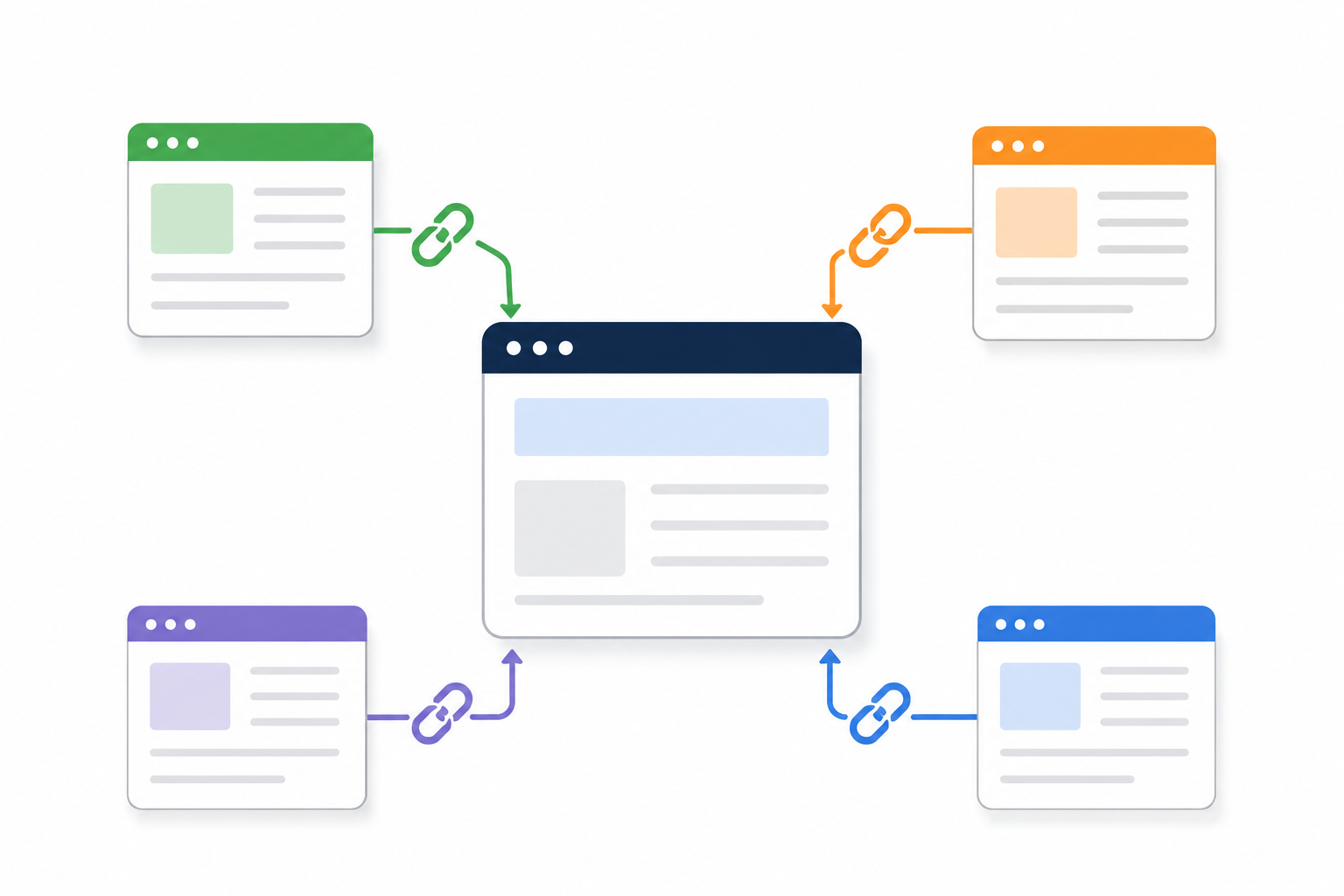
Internal linking is one of the most effective yet often overlooked SEO strategies. While backlinks from external websites are important, internal links help search engines understand your website structure and guide users to relevant content. A strong internal linking strategy improves crawlability, boosts page authority, enhances user experience, and supports better search rankings.
Let’s explore the best internal linking practices for SEO success.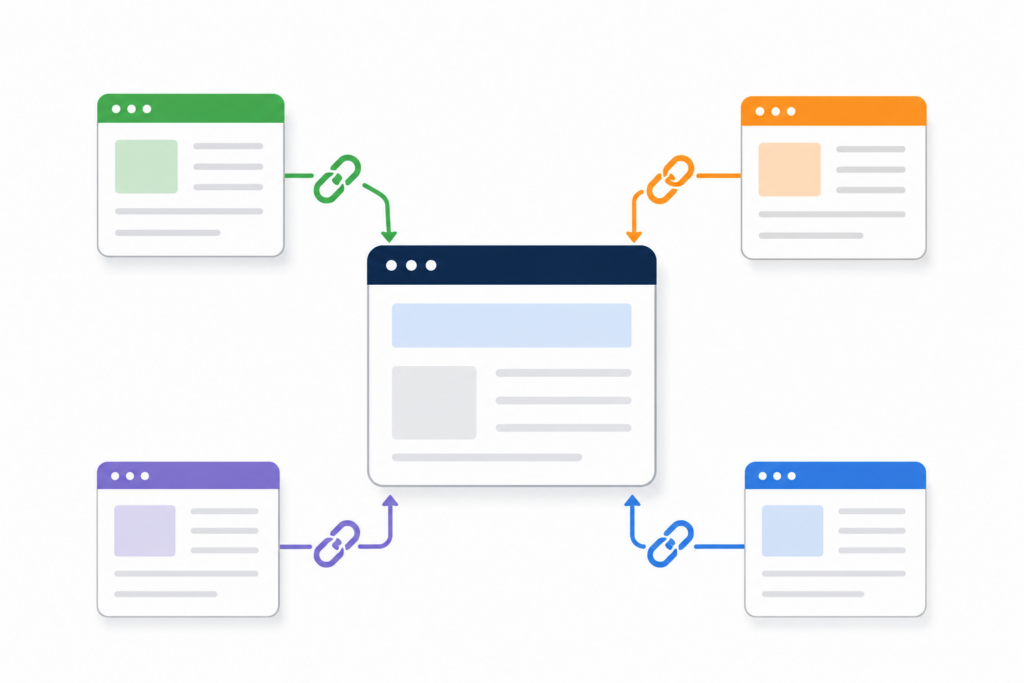
What is Internal Linking?
Internal linking means linking one page of your website to another page on the same website.
Examples:
- Linking a blog post to another related blog
- Connecting service pages to relevant case studies
- Linking product pages to category pages
These links help users navigate your website while improving SEO performance.
Why Internal Linking Matters for SEO
Internal links help by:
- Improving website crawlability
- Helping search engines discover new pages
- Distributing link authority across pages
- Strengthening important pages
- Increasing user engagement
- Reducing bounce rates
- Improving site structure
A well-linked website is easier for both users and search engines to understand.
Best Internal Linking Practices
1. Use Relevant Anchor Text
Anchor text is the clickable text in a link.
Good anchor text should:
- Be descriptive
- Clearly explain the linked page
- Sound natural in context
Example:
Good: Learn more about SEO keyword research
Bad: Click here
Descriptive anchors improve usability and SEO relevance.
2. Link to Relevant Pages Only
Every internal link should add value.
Link only to pages directly related to the topic. Random or unnecessary links can confuse users and weaken content relevance.
Example:
A blog about content marketing can naturally link to SEO blogging tips—not unrelated service pages.
3. Prioritize Important Pages
Internal linking helps pass authority to key pages.
Focus on linking frequently to:
- Service pages
- Product pages
- High-converting landing pages
- Cornerstone content
- Category pages
This strengthens important pages in search rankings.
4. Use Contextual Links Within Content
Links placed naturally inside the main content usually perform better than isolated footer links.
Contextual links:
- Improve user experience
- Provide relevance
- Help search engines understand relationships between topics
Natural placement matters.
5. Maintain a Logical Site Structure
Your website should have a clear hierarchy.
Example:
Homepage → Category Page → Blog Post → Related Resource
A structured linking system improves navigation and crawl efficiency.
6. Don’t Overdo Internal Links
Too many links can overwhelm readers and dilute SEO value.
Focus on quality over quantity.
Add links where they genuinely help the user rather than stuffing links into every paragraph.
7. Link to Older Relevant Content
Older blog posts can still drive SEO value.
Update old content with links to:
- New blog posts
- Updated resources
- Relevant services
- Supporting guides
This keeps content connected and fresh.
8. Fix Broken Internal Links
Broken links hurt both user experience and SEO.
Regularly audit your website to identify:
- 404 pages
- Redirect chains
- Outdated URLs
Healthy links improve crawl efficiency.
9. Use Internal Links to Reduce Bounce Rate
Guide users toward additional helpful content.
Examples:
- Related blog suggestions
- Product recommendations
- FAQ pages
- Case studies
More page visits often improve engagement metrics.
10. Audit Internal Linking Regularly
SEO evolves, and so should your internal links.
Review:
- Orphan pages (pages with no internal links)
- Weakly linked important pages
- Old outdated links
- Content opportunities
Regular audits keep your structure optimized.
Common Internal Linking Mistakes
Avoid:
Irrelevant linking
Broken links
Ignoring older content
Poor site hierarchy
Final Thoughts
Internal linking is a simple but powerful SEO strategy that improves rankings, user experience, and website structure.
By using relevant anchor text, linking strategically, maintaining a logical structure, and keeping links updated, you can create a stronger SEO foundation for long-term growth.
Smart internal linking helps both search engines and visitors find exactly what they need.