



Keyword Research for Content Marketing (2026 Complete Guide)









Keyword Research for Content Marketing (2026 Complete Guide)
Keyword Research for Content Marketing (2026 Complete Guide)
Introduction
Keyword research is the foundation of successful content marketing. Without proper keyword research, even high-quality blogs may fail to attract traffic.
In 2026, search engines prioritize user intent, content depth, and topical authority. That’s why businesses must follow a structured keyword research strategy.
If you want to turn traffic into leads using content plus smart communication channels, explore:
🌐 https://buddyinfotech.in/
📲 https://buddyinfotech.in/whatsapp-marketing.php
💬 https://buddyinfotech.in/rcs.php
Let’s dive into the complete keyword research guide for content marketing success.
What is Keyword Research?
Keyword research is the process of identifying the words and phrases people type into search engines to find information, products, or services.
It helps you:
- Understand audience demand
- Discover content opportunities
- Improve SEO ranking
- Increase organic traffic
- Generate qualified leads
Types of Keywords in Content Marketing
1️⃣ Short-Tail Keywords
- Example: “Digital Marketing”
- High search volume
- High competition
2️⃣ Long-Tail Keywords
- Example: “Affordable digital marketing services for small businesses in India”
- Lower competition
- Higher conversion rate
3️⃣ Informational Keywords
- “How to improve SEO ranking?”
- “What is WhatsApp Marketing?”
4️⃣ Commercial Keywords
- “Best WhatsApp marketing service provider”
- “Top RCS messaging platforms”
Step-by-Step Keyword Research Process
1️⃣ Define Your Content Goals
Ask yourself:
- Do you want traffic?
- Do you want leads?
- Do you want brand awareness?
Your goal determines your keyword type.
2️⃣ Start with Seed Keywords
Seed keywords are basic service-related terms.
Example for a digital agency:
- Content Marketing
- WhatsApp Marketing
- RCS Messaging
- SEO Services
- Lead Generation
These become the base for deeper research.
3️⃣ Use Keyword Research Tools
Popular tools include:
- Google Keyword Planner
- Ubersuggest
- SEMrush
- Ahrefs
- Google Trends
Look for:
- Search volume
- Keyword difficulty
- CPC (Commercial value)
- Search intent
Understanding Search Intent (Very Important in 2026)
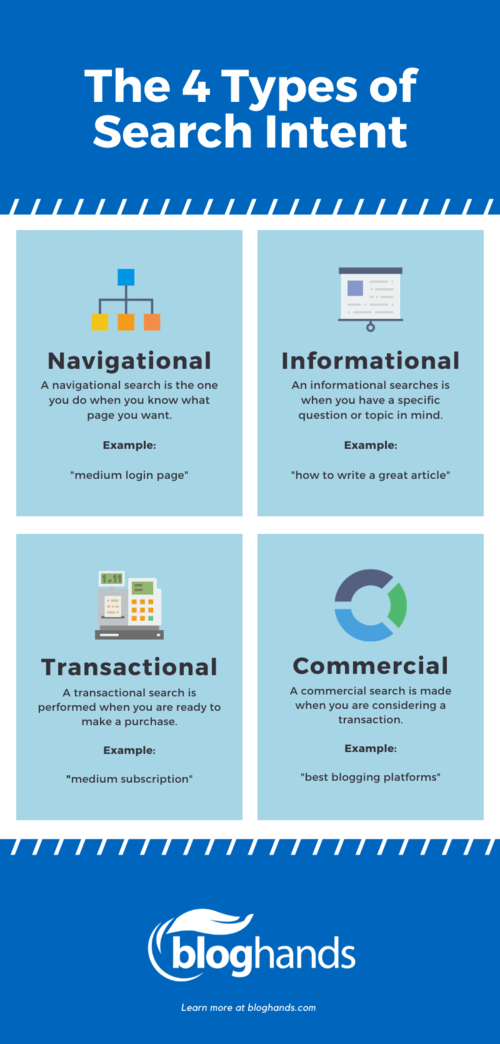

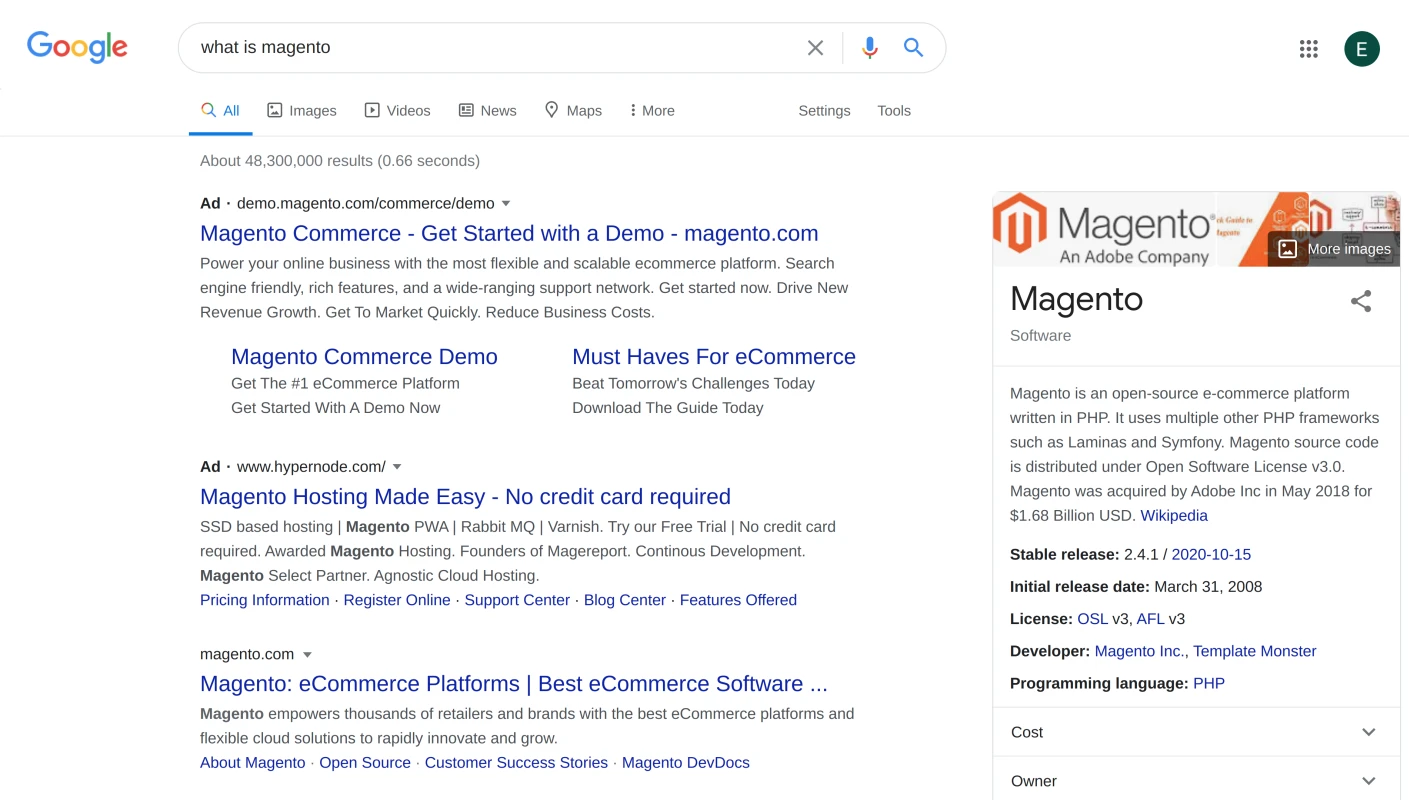
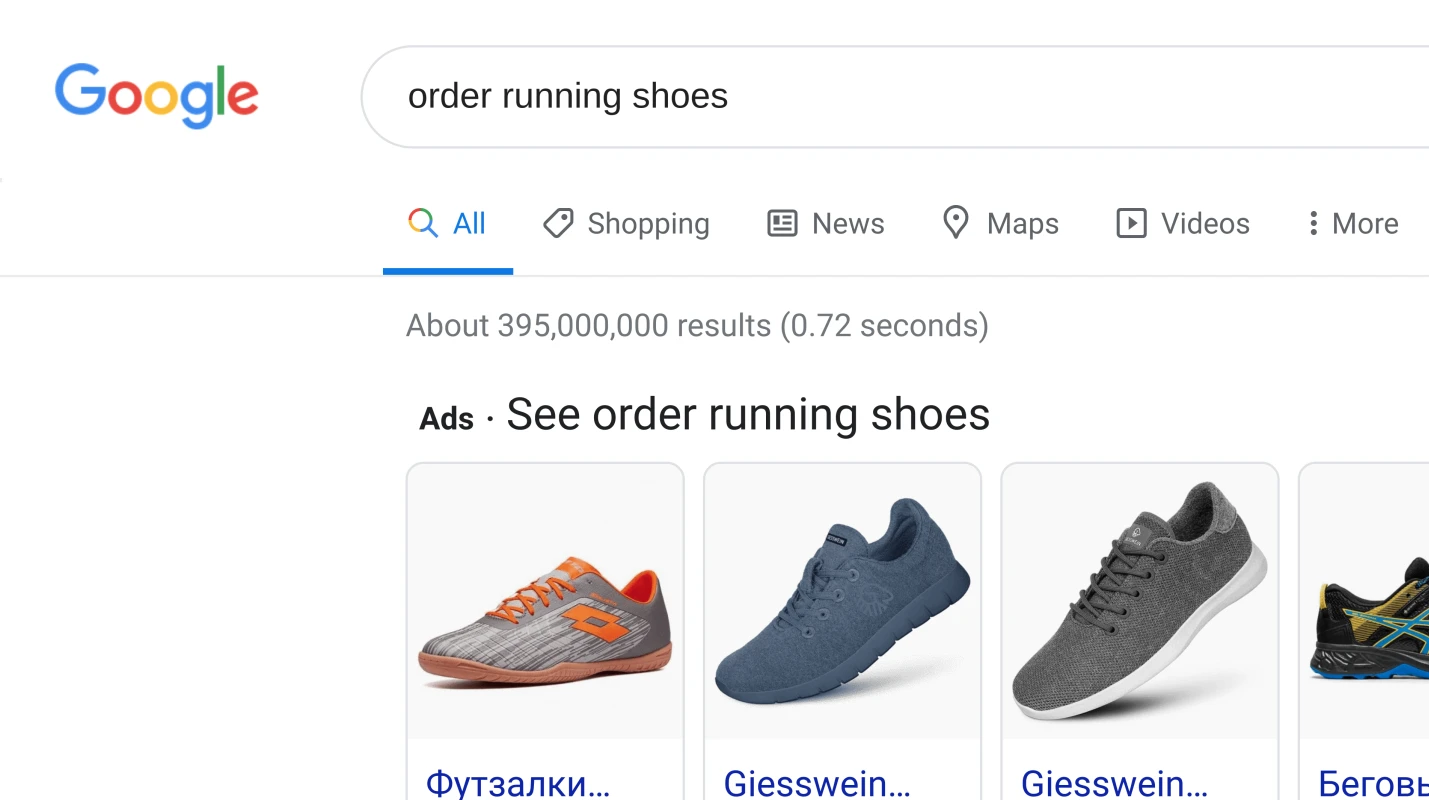
Every keyword has an intent:
1️⃣ Informational – User wants knowledge
2️⃣ Navigational – User wants a specific website
3️⃣ Commercial – User comparing options
4️⃣ Transactional – Ready to buy
Matching intent improves rankings and conversions.
4️⃣ Analyze Competitor Keywords
Study:
- What blogs are ranking?
- Which keywords competitors target?
- Where content gaps exist?
Create better and more detailed content than competitors.
5️⃣ Focus on Long-Tail Keywords
Why long-tail keywords are powerful:
- Lower competition
- Higher ranking chances
- Better conversion rate
- More targeted traffic
Example:
Instead of “SEO services”
Use: “SEO services for e-commerce websites in Delhi”
6️⃣ Build Topic Clusters
Instead of random blogs, create content clusters.
Pillar Topic:
Complete Guide to WhatsApp Marketing
Supporting Topics:
- WhatsApp API integration guide
- WhatsApp marketing automation
- WhatsApp vs RCS comparison
- Benefits of WhatsApp broadcast
This builds authority and improves internal linking.
7️⃣ Check Keyword Difficulty
Avoid highly competitive keywords if your website is new.
Target:
- Medium difficulty
- Low competition
- High relevance
Gradually build authority before targeting competitive terms.
8️⃣ Use Keyword Placement Strategically
Include primary keywords in:
- Title
- Meta description
- URL
- First 100 words
- Headings
- Image alt text
Avoid keyword stuffing.
Common Keyword Research Mistakes
❌ Targeting only high-volume keywords
❌ Ignoring search intent
❌ Not analyzing competitors
❌ Skipping long-tail keywords
❌ Writing content without structure
Bonus Strategy: Combine Keywords with Direct Marketing
Once your blog ranks:
- Share blog links via WhatsApp campaigns
- Use RCS messaging for rich promotions
- Retarget website visitors
This multiplies ROI from content marketing.
Quick Keyword Research Checklist
✅ Identify seed keywords
✅ Use research tools
✅ Analyze intent
✅ Study competitors
✅ Target long-tail phrases
✅ Build topic clusters
✅ Optimize content placement
Conclusion
Keyword research is not just about search volume — it’s about strategy, intent, and relevance.
When done correctly, it drives:
✔ Organic traffic
✔ Quality leads
✔ Brand authority
✔ Higher conversions
If you want expert help in Content Marketing, WhatsApp Marketing, or RCS Campaigns, connect with:
🌐 https://buddyinfotech.in/
📲 https://buddyinfotech.in/whatsapp-marketing.php
💬 https://buddyinfotech.in/rcs.php
Grow smarter with Buddy Infotech — where keywords turn into customers.
Trending Hashtags
#KeywordResearch
#ContentMarketing
#SEO2026
#DigitalMarketing
#LeadGeneration
#SearchIntent
#BloggingStrategy
#WhatsAppMarketing
#RCSMessaging
#BuddyInfotech 🚀